

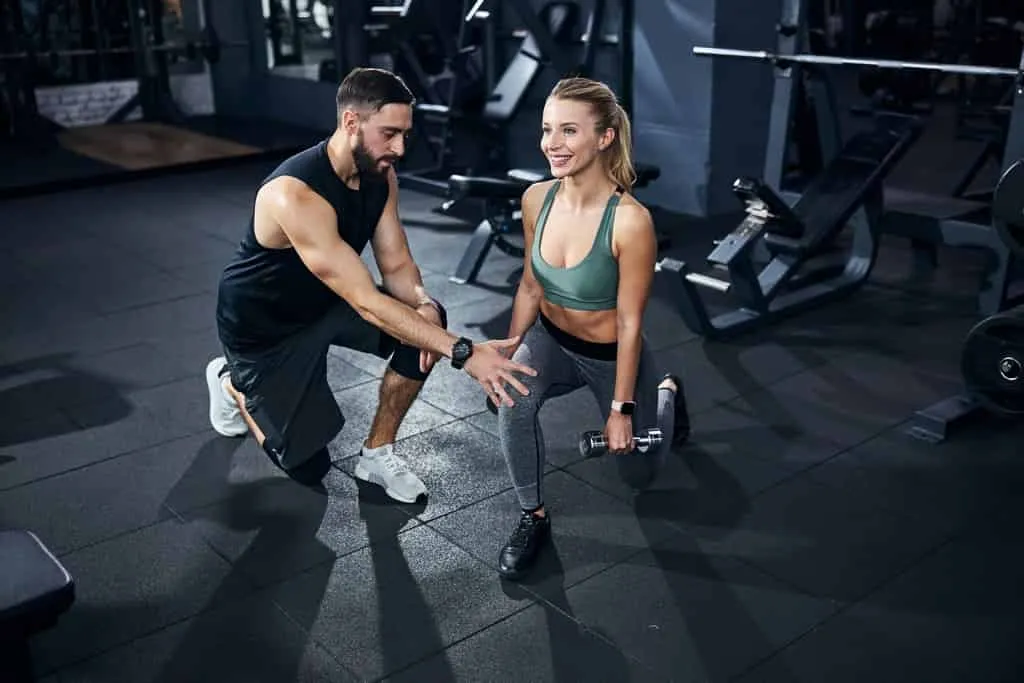
Singapore is a city that thrives on productivity, efficiency, and a fast-paced lifestyle. Between long working hours, bustling commutes, and family commitments, maintaining health often takes a back seat. This is where a personal fitness trainer Singapore plays an essential role. Trainers in the city do more than just guide workouts. They adapt programmes to suit unique lifestyles, cultural habits, and the practical realities of living in an urban hub.
Why Personal Training Matters in Singapore
Staying fit in Singapore comes with its own set of challenges. The city’s dense urban environment means that most people juggle office hours, family responsibilities, and social life within tight schedules. A trainer bridges the gap between intention and action by ensuring workouts are personalised, realistic, and sustainable.
Unlike general fitness classes, personal training brings structure and accountability. Trainers analyse individual fitness levels, understand goals, and create pathways that fit seamlessly into daily routines. For many Singaporeans, this difference is the key to turning fitness aspirations into measurable progress.
Busy Professional Life and Time Constraints
Short, Efficient Sessions for Office Workers
Office workers in Singapore often face long desk hours and extended commutes. A personal trainer understands these constraints and designs compact yet powerful sessions. High-intensity circuits lasting 30 minutes, bodyweight drills for home practice, and posture correction routines are common solutions. The goal is not to spend hours in the gym but to maximise results with minimal time.
Fitness Hacks for Tight Schedules
Trainers also encourage small but impactful adjustments, such as stretch breaks during Zoom calls, stair climbs in office buildings, or core exercises that can be completed in five minutes. These hacks prevent sedentary lifestyle issues like stiff backs, low energy, and weight gain.
National Service and NSmen Training Needs
Pre-Enlistment Preparation
For young men preparing for National Service, trainers provide structured conditioning to meet enlistment standards. Workouts focus on cardiovascular endurance, strength, and agility to build resilience for training camps.
Supporting IPPT and Reservist Cycles
For NSmen, staying consistent with fitness helps maintain readiness for the annual Individual Physical Proficiency Test (IPPT). Trainers tailor programmes around push-up improvements, 2.4km run timing, and core stability. Beyond test performance, this consistent support helps prevent injuries and keeps long-term fitness sustainable.
Family and Community Commitments
Parents Balancing Health and Family
Parents in Singapore often put their children’s schedules ahead of their own health. Trainers adapt routines for parents by incorporating shorter, family-friendly exercises. For example, parents may perform resistance band workouts at home while children play nearby.
Couple and Family-Based Training
Some trainers also design couple or family training sessions. These not only encourage bonding but also instil fitness habits in younger generations. This shift from solo exercise to group participation helps fitness become a lifestyle rather than a chore.
Role of Personal Trainers at True Fitness
At True Fitness, trainers are known for personalising every programme to fit real-world needs. Their expertise lies in blending structured workouts with lifestyle integration. Whether it is a busy professional requiring 20-minute lunch-hour sessions, a parent balancing family commitments, or a senior looking for mobility support, trainers focus on making fitness practical and achievable.
Clients benefit from tailored assessments, ongoing progress tracking, and a motivational support system. The brand ensures that personal training is not just about hitting the gym but about embracing a holistic approach to health and wellness.
Cultural Factors That Influence Training in Singapore
Food Culture and Hawker Challenges
Singapore’s rich food culture is both a blessing and a challenge. Trainers understand the difficulty of resisting hawker staples like chicken rice or laksa. Instead of imposing strict diets, they guide clients on portion control, healthier swaps, and meal timing. This balance allows people to enjoy food without derailing progress.
Festive Seasons and Social Gatherings
During celebrations such as Chinese New Year, Deepavali, or Hari Raya, food and feasting are central. Trainers create flexible strategies to help clients enjoy festivities while maintaining discipline in other aspects of their routine. This approach prevents guilt and promotes balance.
Emotional Benefits of Personal Training
Beyond physical results, working with a trainer delivers emotional rewards. Clients often report increased confidence, reduced stress, and better sleep. In a competitive city like Singapore, these benefits contribute directly to productivity and overall well-being.
Trainers act as both mentors and accountability partners. Their encouragement pushes clients through challenging phases, ensuring that progress continues even when motivation dips.
The Growing Trend of Hybrid Fitness in Singapore
With technology and remote work influencing daily life, many trainers now offer hybrid solutions. This includes in-person sessions at gyms combined with digital coaching. Clients receive customised routines via mobile apps and attend check-ins online. This flexibility fits the modern Singaporean lifestyle perfectly, ensuring that training is never disrupted by travel or schedule changes.
Long-Term Value of Working with a Personal Fitness Trainer
The most significant advantage of personal training is sustainability. Trainers are not focused on quick fixes. Instead, they build long-term strategies that become part of daily life. From preventing health conditions like diabetes to improving mental resilience, the benefits extend far beyond the gym.
For many in Singapore, personal training becomes a lifelong partnership. Trainers evolve routines as clients age, shift careers, or encounter new health challenges. This adaptability ensures fitness remains relevant at every stage of life.
Real-Life Examples of Lifestyle Integration
-
The Corporate Executive: With only 30 minutes available during lunch breaks, a trainer designed strength and mobility sessions that kept energy high for boardroom meetings.
-
The Young Parent: A mother with two children worked out with bodyweight exercises at home under the trainer’s supervision, building strength while bonding with her kids.
-
The Senior Citizen: A retiree improved balance and reduced joint stiffness through low-impact sessions, allowing him to remain active in community volunteering.
These examples highlight how personal trainers in Singapore adapt fitness to individual realities rather than enforcing rigid routines.
FAQ on Personal Fitness Training in Singapore
Q1: Can I still enjoy hawker food if I hire a personal fitness trainer?
Yes. Trainers encourage balance rather than restriction. They provide portion control tips, recommend healthier stall options, and teach clients how to enjoy hawker favourites without compromising progress.
Q2: How many times a week should I train with a personal trainer?
It depends on goals and lifestyle. Some clients see results with two sessions a week supported by independent workouts, while others prefer three or more structured sessions for accountability.
Q3: Are personal trainers suitable for seniors in Singapore?
Absolutely. Trainers customise safe, low-impact routines focusing on mobility, joint health, and balance. These sessions are particularly beneficial for preventing falls and maintaining independence.
Q4: How do personal trainers handle clients with busy work schedules?
They design time-efficient programmes, often 20–30 minutes, focusing on high-value exercises. Many trainers also provide quick desk-friendly stretches and stress-relieving routines.
Q5: Do trainers at True Fitness offer both gym and at-home solutions?
Yes. True Fitness trainers are adaptable, offering both in-gym personal training and home-based or digital programmes to ensure clients can stay consistent regardless of location.