

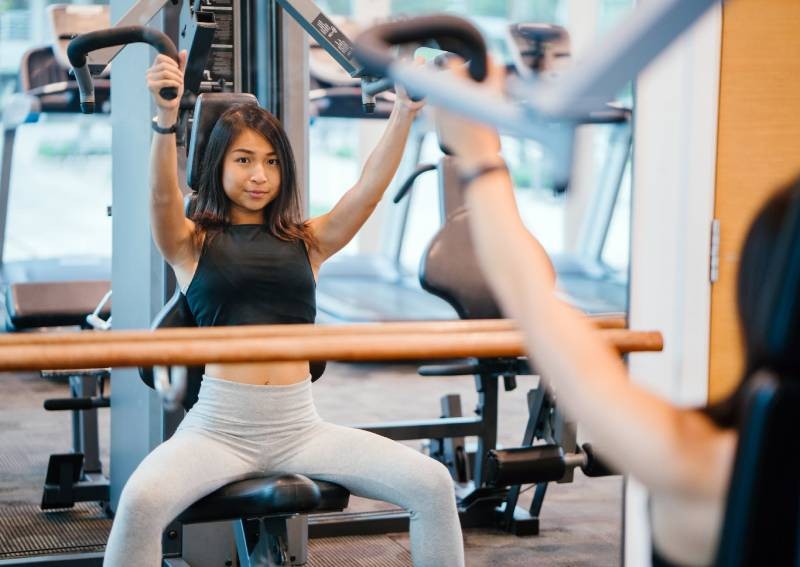
A search for best gym singapore options often leads to descriptions of large equipment collections, premium machines and extensive training areas. A high equipment count may sound impressive, but the number alone does not show whether the equipment will support a member’s actual programme.
What matters more is usable equipment. This includes machines and training stations that suit the member’s goals, remain accessible during normal visiting hours and allow progression without unnecessary compromise. A gym with fewer but well-selected and properly duplicated machines may provide a better training experience than a larger facility filled with specialised equipment that most members rarely use.
Equipment Count Does Not Show Training Capacity
Two gyms can report a similar number of machines while offering very different practical capacity. One may have several versions of frequently used equipment, while the other has a large collection of single-purpose machines with only one unit for each major movement.
During a quiet tour, both facilities may appear well equipped. The difference becomes visible at peak times. If one chest press, cable station or leg machine attracts a queue, the total equipment count becomes less meaningful.
Capacity should be judged according to the number of people who can complete important exercises without excessive waiting. Frequently used stations generally need greater availability than equipment designed for a narrow movement or small group of users.
A balanced equipment floor should support common pushing, pulling, squatting, hip-dominant and cardiovascular activities. Variety is useful, but it should not come at the expense of the movements most programmes depend on.
Start With the Member’s Training Goals
Usable equipment is different for every member. Someone focused on progressive strength training will evaluate a gym differently from someone who mainly attends classes and uses cardio equipment.
Before assessing a facility, a person should identify the activities that will form the majority of the weekly routine. This makes the evaluation more practical.
A strength-focused member may need reliable access to racks, benches, free weights, cable stations and lower-body machines. Someone training primarily for cardiovascular fitness may place greater value on treadmills, bikes and other conditioning equipment. A member combining classes with independent workouts will need both a suitable timetable and enough gym-floor options.
Without this clarity, it is easy to be impressed by equipment that will never become part of the programme.
Adjustability Makes Equipment More Usable
A machine may be technically available but unsuitable for some users if its seat, handles or range settings cannot be adjusted adequately.
Good adjustability helps people with different body proportions establish a stable position. It can also allow an exercise to be performed through an appropriate range without forcing the user into an uncomfortable setup.
When inspecting a machine, members should consider whether:
- The seat and back support can be adjusted easily.
- Handles can be reached without losing position.
- Starting points can be changed where appropriate.
- Instructions and adjustment points are clear.
- Weight selection is simple and secure.
These details affect more than convenience. If setup is difficult, members may avoid the machine or use a poor position simply to complete the exercise.
Equipment should also be easy to enter and exit. A complicated design can slow turnover during busy periods and create additional queues even when the machine itself works well.
Weight Increments Influence Progression
A machine with a large maximum weight may still provide poor progression if the resistance jumps are too large. This is especially relevant for upper-body exercises, where a single increase may represent a substantial percentage of the member’s current working load.
Smaller increments allow gradual progression. A member can increase resistance without immediately losing repetitions or technique.
Dumbbell selection should be assessed in the same way. A large number of dumbbells is useful, but the sequence of available weights matters. Missing intermediate loads can make progression unnecessarily difficult.
Members should also check whether frequently used dumbbells are duplicated. A complete rack with only one pair at each popular weight can become a major bottleneck during peak periods.
Progression depends on repeatedly applying a manageable increase. Equipment that offers appropriate increments supports this process more effectively than equipment that merely displays an impressive maximum capacity.
Duplication Can Be More Valuable Than Novelty
A gym may promote unusual machines as a sign of variety. Some specialised equipment can be valuable, but most members still rely on a relatively small group of fundamental movements.
Duplicating popular equipment increases the number of people who can train effectively at the same time. Additional benches, cable positions and common machine types may improve the member experience more than another highly specialised station.
Duplication also provides resilience when equipment requires maintenance. If the gym has only one machine for an important movement, a breakdown removes that option completely. When suitable alternatives or duplicate units exist, the training floor continues to function.
The question is not whether every machine is unique. It is whether the equipment collection supports repeatable programmes for the number of people using the facility.
Maintenance Determines Whether Equipment Is Truly Available
A machine should not be counted as usable if it is regularly out of service, poorly aligned or difficult to adjust.
Maintenance affects cables, padding, moving parts, electronic displays and safety features. Small faults can reduce confidence even when the machine remains technically operational.
Visible signs of good maintenance include smooth movement, secure adjustment pins, stable benches and clearly labelled controls. Members should also notice how quickly faults appear to be addressed.
Equipment downtime has a greater effect during busy periods because it reduces already limited capacity. One unavailable cable station can redirect several people towards the remaining units, increasing congestion across a wider area.
A gym with a consistent maintenance process may offer more usable capacity than a facility with a larger collection of unreliable machines.
Layout Changes the Value of the Equipment
Equipment placement affects how easily members can move through a session. If machines for related exercises are located far apart, a workout may involve unnecessary movement across the facility.
Crowded layouts can also reduce usable space. A bench may be available but difficult to position because nearby training areas overlap. Free-weight exercises require enough clearance for setup, movement and safe loading.
A practical layout groups compatible activities without concentrating every popular station in one small area. Clear walkways and sensible spacing help members share the floor without interrupting one another.
The best time to assess this is during the hours a person expects to train. A spacious floor at 11 a.m. may function very differently after office hours.
Test the Equipment During a Trial Visit
A facility tour provides useful information, but it should not replace actual use. Members should test the equipment that matters most to their programme.
A practical trial visit might include one lower-body movement, one press, one pull and a short cardio segment. The aim is not to complete an unusually demanding workout. It is to evaluate setup, availability and movement quality.
The member can observe whether the machines fit properly, whether the required weights are available and how long normal transitions take. It is also worth checking the changing facilities and storage areas because these contribute to the complete training experience.
At True Fitness Singapore, members can combine gym-floor equipment with classes and personal-training options. Evaluating how these services fit together can provide a clearer picture than judging the facility by machine count alone.
Judge the Gym by Repeatable Training
The best equipment collection is the one a member can use consistently. It should support the required movement patterns, provide manageable progression and remain accessible during realistic visiting hours.
A high machine count is not meaningless, but it must be interpreted. Members should look at duplication, maintenance, adjustability, weight increments and floor layout before deciding how useful the equipment will be.
The most important question is simple: can this facility support the person’s planned training week without repeated waiting, unsuitable substitutions or missing progression options? If the answer is yes, the equipment is doing its job, regardless of whether the total count is the largest in Singapore.