

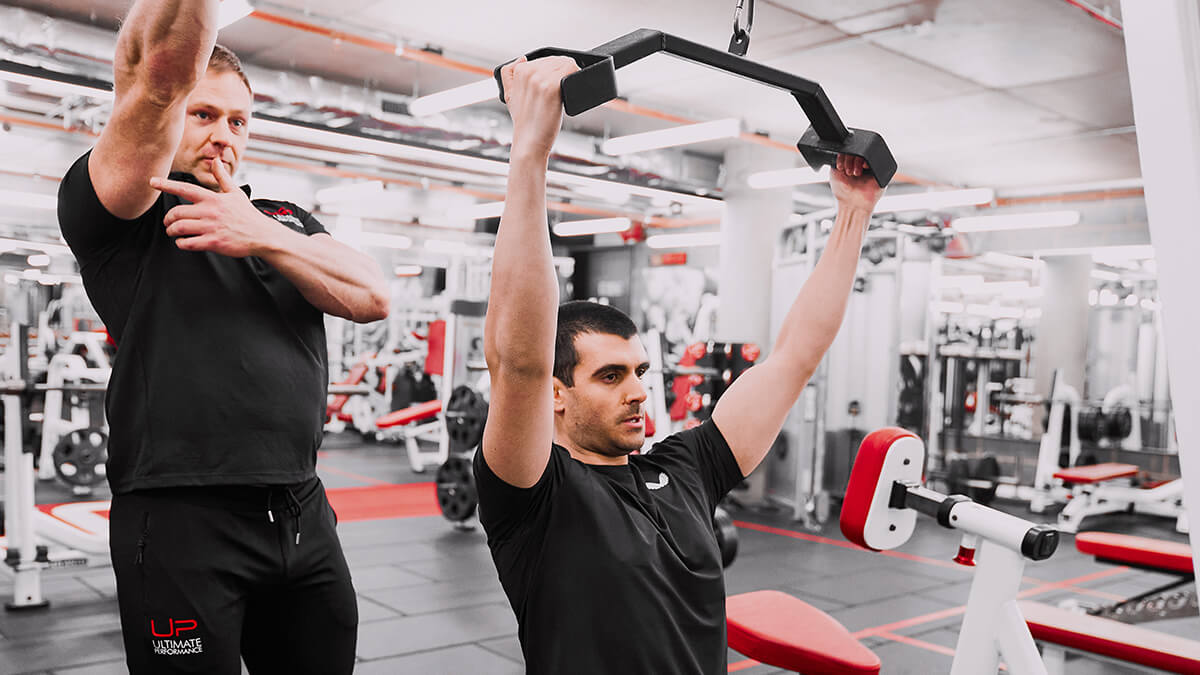
Modern lifestyles in Singapore place significant pressure on the body. Long working hours, irregular sleep, high stress levels, and inconsistent eating patterns all affect hormonal balance, especially for adults in their 30s and 40s. This is where working with a personal fitness trainer singapore becomes far more than a fitness decision. Structured training plays a direct role in regulating hormones that influence energy levels, fat storage, muscle maintenance, mood, and long-term health.
Hormonal balance is not about medical intervention or supplements. It is about training intelligently, managing stress, and aligning workouts with how the body actually responds to physical load.
Why Hormonal Balance Becomes a Priority After 30
Hormones regulate nearly every process in the body, from metabolism and muscle repair to sleep quality and emotional stability. As people move past their early 30s, hormonal responses become more sensitive to lifestyle stressors.
Common challenges include slower recovery, stubborn fat gain, energy crashes, and disrupted sleep. These issues are often blamed on ageing, but in reality, they are frequently linked to poor training structure combined with daily stress overload.
Key hormones affected by lifestyle and training include:
-
Cortisol, the primary stress hormone
-
Insulin, which regulates blood sugar and fat storage
-
Testosterone and oestrogen, which support muscle and bone health
-
Growth hormone, essential for tissue repair and recovery
A personal fitness trainer designs programmes that work with these hormonal systems instead of fighting against them.
The Role of Cortisol Management in Training Design
Cortisol is necessary for survival, but chronically elevated levels can interfere with fat loss, muscle retention, and sleep quality. High-intensity workouts performed too frequently without adequate recovery can keep cortisol levels elevated, especially in individuals already under work or family stress.
A personal trainer manages cortisol by controlling training volume and intensity. Not every session needs to be maximal. Strategic variation allows the body to adapt without becoming overwhelmed.
Cortisol-aware training includes:
-
Alternating high-intensity and moderate-intensity sessions
-
Avoiding excessive cardio combined with heavy strength work
-
Scheduling recovery-focused days
-
Monitoring signs of overtraining such as fatigue or irritability
This approach supports hormonal stability while still driving progress.
Insulin Sensitivity and Strength Training
Insulin plays a central role in how the body processes carbohydrates and stores energy. Poor insulin sensitivity can lead to increased fat storage, energy crashes, and difficulty managing body weight.
Strength training is one of the most effective ways to improve insulin sensitivity. However, the structure of training matters. Random workouts may not produce consistent metabolic benefits.
A personal fitness trainer focuses on:
-
Compound movements that engage large muscle groups
-
Progressive resistance training
-
Balanced training frequency to allow recovery
-
Coordinating training intensity with daily energy demands
Improved insulin sensitivity helps clients use food more efficiently and stabilise energy throughout the day.
Supporting Testosterone and Muscle Health Naturally
Testosterone is important for both men and women. It supports muscle maintenance, bone density, motivation, and overall vitality. While levels naturally change with age, training can either support or suppress testosterone depending on how it is structured.
Excessive endurance training or constant high-volume workouts may reduce testosterone output. Structured strength training, on the other hand, supports healthy levels.
Trainer-guided strategies include:
-
Prioritising resistance training over excessive cardio
-
Using appropriate rest periods between sets
-
Avoiding chronic calorie restriction during training phases
-
Encouraging consistent sleep patterns
This creates an environment where muscle development and hormonal balance coexist.
Growth Hormone and Recovery-Oriented Programming
Growth hormone plays a key role in tissue repair, fat metabolism, and recovery. It is released primarily during deep sleep and in response to certain types of training stimuli.
Personal trainers use training methods that encourage natural growth hormone release without overtaxing the system. This includes controlled strength sessions and sufficient recovery time.
Key factors that influence growth hormone response:
-
Training intensity rather than duration
-
Proper rest between sessions
-
Adequate sleep quality
-
Avoiding late-night high-stress workouts
Balancing these elements allows the body to recover efficiently and maintain long-term progress.
Training Volume Control for Hormonal Stability
One of the most common mistakes among experienced gym-goers is excessive training volume. More is not always better, especially when hormonal balance is a concern.
A personal fitness trainer monitors how much work the body can realistically recover from. This includes adjusting weekly volume, session length, and exercise selection based on feedback.
Volume management strategies include:
-
Limiting unnecessary accessory exercises
-
Focusing on quality repetitions
-
Structuring deload weeks
-
Adjusting frequency during high-stress periods
This ensures training remains productive rather than draining.
The Impact of Sleep and Training Timing
Sleep is one of the most powerful regulators of hormonal health. Training that disrupts sleep patterns can negatively affect cortisol, insulin, and recovery hormones.
Personal trainers often consider training timing based on individual schedules. Late-night high-intensity sessions may not suit everyone, especially those with early work commitments.
Training schedule considerations include:
-
Aligning intense sessions earlier in the day when possible
-
Using lower-intensity sessions in the evening
-
Adjusting workout length to avoid overstimulation
-
Encouraging post-training wind-down routines
Better sleep leads to better hormonal regulation and training outcomes.
Managing Fat Loss Without Hormonal Disruption
Aggressive fat loss strategies can negatively impact hormones, leading to stalled progress and fatigue. A personal fitness trainer approaches fat loss conservatively to protect metabolic health.
Instead of extreme calorie deficits, trainers focus on sustainable strategies that preserve muscle and hormonal balance.
Fat loss support includes:
-
Maintaining strength training intensity
-
Avoiding excessive cardio volume
-
Encouraging consistent eating patterns
-
Monitoring energy levels and mood
This allows fat loss without sacrificing long-term health.
Psychological Stress and Its Physical Impact
Mental stress directly affects hormonal balance. Training can either reduce stress or compound it depending on how it is programmed.
A personal trainer creates a training environment that builds confidence and consistency rather than pressure. Sessions are challenging but achievable, reducing anxiety and improving adherence.
Psychological benefits include:
-
Improved mood through structured movement
-
Reduced decision fatigue with guided programming
-
Increased sense of control and routine
-
Better stress coping mechanisms
This mind-body connection plays a vital role in hormonal health.
Training in a Supportive Professional Environment
The quality of the training environment influences both physical and psychological outcomes. Professional gyms provide structure, safety, and consistency, all of which support hormonal balance.
Facilities like True Fitness Singapore offer an environment where personal training sessions can be tailored without overcrowding or distractions. This allows trainers to focus on execution, recovery, and progression rather than rushed sessions.
A supportive environment reinforces sustainable habits and long-term commitment.
Real-Life FAQs
Q: Can exercise really affect hormones without medication?
A: Yes. Training structure, recovery, and consistency significantly influence stress hormones, insulin sensitivity, and muscle-supporting hormones.
Q: Is high-intensity training bad for hormonal balance?
A: Not necessarily. High intensity is effective when used strategically. Problems arise when it is overused without recovery.
Q: How long does it take to notice hormonal improvements from structured training?
A: Many people notice better energy, sleep, and mood within four to six weeks of consistent, well-planned training.
Q: Does strength training help women with hormonal stability?
A: Yes. Resistance training supports metabolic health, bone density, and stress regulation for women across all age groups.
Q: Should training change during stressful work periods?
A: Absolutely. A personal trainer often adjusts volume and intensity during high-stress phases to prevent hormonal overload.