

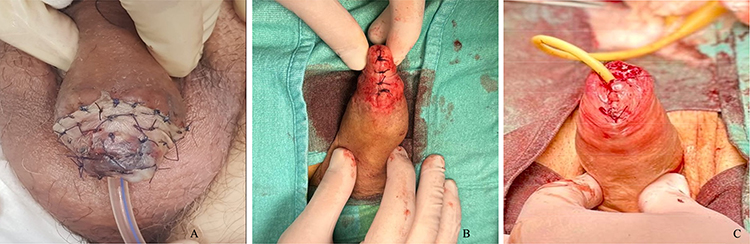
Penile health is an essential aspect of a man’s overall well-being, affecting both physical function and self-confidence. Various medical conditions, injuries, or congenital issues can impact the penis, leading to challenges in sexual function, urination, or aesthetic concerns. Penile repair surgery provides specialized solutions that address these functional and cosmetic needs, offering men the opportunity to restore health, comfort, and confidence.
Understanding Penile Repair Surgery
Penile repair surgery is a medical procedure aimed at correcting abnormalities, injuries, or dysfunction in the penis. These procedures can be performed for functional reasons, such as restoring erectile function, correcting curvature, or repairing trauma-related damage, as well as for aesthetic purposes, including size enhancement or correction of congenital deformities.
Common conditions treated through penile repair surgery include Peyronie’s disease, congenital curvature, penile fractures, trauma-related injuries, and deformities from prior surgical procedures. In addition, some men seek surgical intervention for cosmetic enhancement or reconstruction following medical conditions such as penile cancer or significant scarring. By understanding the nature and purpose of these procedures, patients can make informed decisions about their care.
Consultation and Evaluation
The first step in penile repair surgery involves a thorough consultation with a qualified urologist or reconstructive surgeon. During this evaluation, the patient’s medical history, specific concerns, and functional goals are reviewed. Physical examinations and imaging studies may be performed to assess the structure and condition of the penis, enabling the surgeon to determine the most appropriate treatment plan.
Consultation also provides an opportunity to discuss realistic expectations, potential risks, and recovery timelines. Personalized recommendations are essential, as each patient’s anatomy, medical history, and desired outcomes vary significantly. A clear understanding of these factors helps ensure that penile repair surgery addresses both functional and aesthetic needs effectively.
Surgical Options for Functional Restoration
Penile repair surgery encompasses a range of techniques designed to restore function. One common procedure is surgical correction of Peyronie’s disease, a condition characterized by the formation of fibrous scar tissue causing curvature or pain during erections. Techniques may include plication, grafting, or penile prosthesis implantation, depending on the severity and specific needs of the patient.
Penile fracture repair is another crucial functional intervention. Fractures typically result from trauma or injury during sexual activity and require prompt surgical attention to restore integrity, prevent long-term complications, and maintain erectile function. Repair involves realigning damaged tissue and addressing any associated vascular injuries.
In cases of erectile dysfunction unresponsive to medication or non-surgical treatments, penile prosthesis implantation may be considered. This procedure involves placing a device that allows men to achieve and maintain erections, restoring sexual function and improving quality of life. Functional repair procedures aim to correct structural issues, alleviate pain, and enhance the overall sexual and urinary performance of the patient.
Surgical Options for Aesthetic Enhancement
Beyond functional restoration, penile repair surgery also addresses aesthetic concerns. Cosmetic procedures may include penile lengthening, girth enhancement, or correction of congenital abnormalities such as hypospadias. These interventions are carefully planned to achieve natural-looking results while maintaining or improving function.
Techniques for aesthetic enhancement often involve tissue grafts, implants, or reconstructive methods that ensure structural integrity and symmetry. Surgeons take into account the patient’s overall anatomy and goals, balancing aesthetic improvements with safety and functionality. Postoperative care and follow-up are crucial to ensure that results are maintained and complications are minimized.
Recovery and Long-Term Considerations
Recovery from penile repair surgery varies depending on the procedure performed, the patient’s overall health, and adherence to postoperative instructions. Generally, patients are advised to limit sexual activity, avoid strenuous exercise, and follow specific care guidelines to promote healing and reduce the risk of complications. Pain management, infection prevention, and monitoring for signs of adverse reactions are integral parts of the recovery process.
Long-term considerations include maintaining overall penile health, adhering to medical advice, and attending follow-up appointments to monitor healing and assess the success of the surgery. In some cases, additional procedures or adjustments may be necessary to optimize outcomes. Proper recovery ensures that both functional and aesthetic goals are achieved, enhancing the patient’s quality of life and confidence.
Combining Medical and Lifestyle Approaches
While penile repair surgery provides direct solutions to structural or functional issues, integrating medical guidance with healthy lifestyle practices can further support outcomes. Maintaining cardiovascular health, managing chronic conditions, avoiding smoking, and practicing safe sexual habits contribute to the longevity of surgical results.
Mental health is also a key factor. Psychological support, counseling, and open communication with partners can help address anxiety, body image concerns, or stress related to penile issues. A comprehensive approach combining surgical intervention with lifestyle and emotional support enhances overall satisfaction and promotes sustainable improvements in function and appearance.