

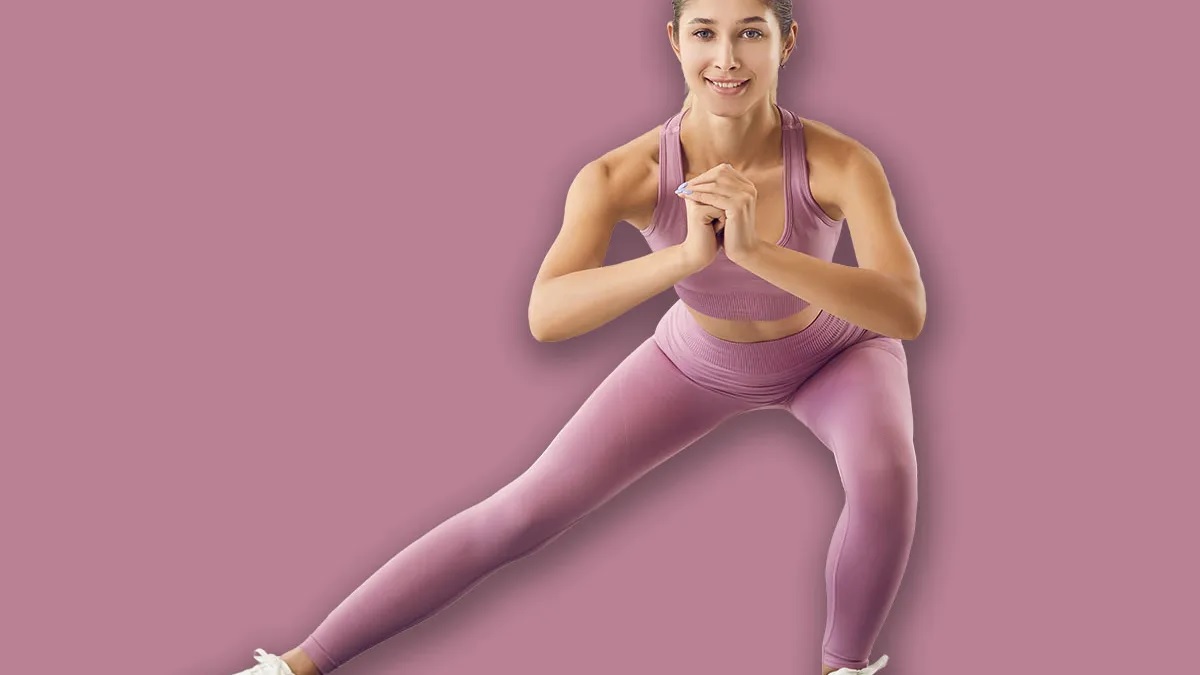
Walk past the weights area of almost any gym and you will find a machine built for one purpose. You sit, press your knees together against a padded lever, and repeat. The promise is written into the design: work the inner thigh and the inner thigh will shrink. It is a tidy idea. It is also, as far as the body is concerned, mostly wrong.
Thighs are an easy place to store fat and a slow place to lose it, and the reasons are worth knowing before you spend money or months on a fix. If you have started reading about thigh slimming in Singapore, the most useful first step is to work out what is actually making your thighs look the way they do. That answer shapes everything that follows, from the exercise you choose to whether a clinic visit makes sense at all.
Fat, Muscle or Something Else
Not every full thigh is a fat thigh. Three things add up to the width you see in the mirror: the layer of fat just under the skin, the muscle beneath it, and fluid.
A simple check helps. Sit down, relax your leg, and gently pinch the skin on the front and inside of the thigh. A soft fold you can lift away from the muscle is fat. A firm thigh with little to pinch is mostly muscle, and no diet will make muscle vanish. Thighs that feel puffier after a long day on your feet, and leaner first thing in the morning, are telling you about fluid rather than fat.
If swelling is new, affects only one leg, or leaves a dent when you press it, that is a question for a doctor, not a slimming plan.
The Trouble With Spot Training
Here is the uncomfortable part. Muscles do not feed on the fat sitting directly on top of them. When you exercise, the body draws on fat stores from all over, in an order set largely by genes and hormones. Hundreds of inner thigh squeezes build the muscle under the fat. They do not ask that fat to leave first.
The mistake is costly in time. People train one area hard for months, see little change, and decide their body is broken. It is not. They chose a tool that cannot do that job. Leg exercise is still worth doing, because firmer muscle changes the outline of a thigh, but it shapes rather than shrinks.
Trust the Tape Over the Mirror
Mirrors flatter in the morning and accuse at night. Scales blend fat, water, muscle and lunch into a single number. If thighs are the goal, measure thighs.
Pick a fixed point, such as a hand’s width above the top of the kneecap, and mark it lightly with a pen the first time so you can find it again. Measure there once a month, standing, at the same time of day, and write the number down. Picture someone who starts a steady walking routine and trims their portions a little. For six weeks the scale barely moves, because they are gaining a little muscle while losing a little fat. The tape at the pen mark, though, slips from 58 to 56.5 centimetres. Without the tape, they would have called it a failure and stopped.
Three Rules Worth Keeping
Strip away the noise and the whole approach fits on a sticky note:
- Lose fat everywhere, and let the thighs follow in their own time.
- Train the legs for shape and strength, not to burn the fat on top of them.
- Judge progress with a tape at a fixed mark, checked monthly.
For the first rule, the Singapore Physical Activity Guidelines from Sport Singapore and the Health Promotion Board give a sensible frame, recommending at least 150 to 300 minutes of moderate-intensity aerobic activity a week for adults.
Where Clinic Treatments Fit In
Non-surgical fat reduction treatments sit in a narrow but real space. Some use radiofrequency energy to heat the fat layer from outside the skin. They are meant to target a stubborn pocket of fat, not to replace weight loss, and tend to suit people who are already reasonably close to their ideal weight.
That framing fits the rules above. A treatment of this kind makes most sense after the pinch test points to fat, after the tape shows the rest of your efforts have done what they can, and after a doctor has looked at your health history. Some of these treatments are not suitable during pregnancy or for people with implanted devices such as pacemakers, which is one more reason the first conversation should be a medical one.
Questions to Ask First
Before any appointment, write a few questions down. Is the fullness I see fat, muscle or fluid? Is my weight already near a healthy range for me? Is there anything that would make me unsuitable? How many sessions are usually involved, and how far apart? What should I keep doing at home alongside it?
A sound consultation will answer these plainly and will tell you if a treatment is not the right fit.
The inner thigh machine will still be there on your next visit to the gym, promising what it cannot deliver. Thighs answer to the whole of you, not to one exercise. Find out what you are working with, measure it honestly, and give it time. The change, when it comes, tends to arrive quietly, a centimetre at a time.