

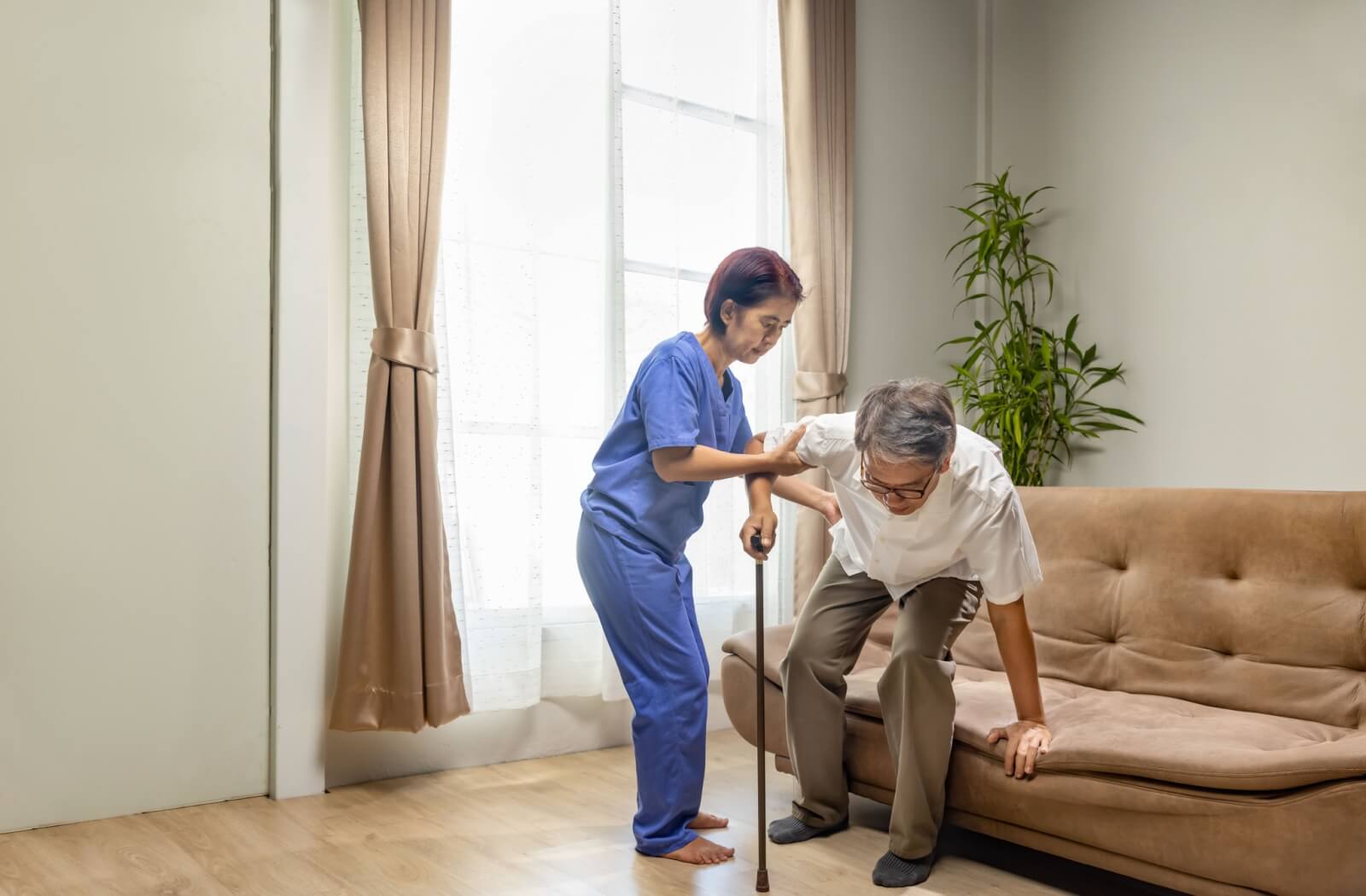
In many households, the pace of daily life has naturally changed as loved ones have grown older. What once felt routine began to take more time. Morning preparations stretched longer. Simple movements required extra focus. These shifts were rarely labelled or analysed. Families adjusted instinctively, learning to slow down without drawing attention to the change.
This gradual slowing often brought unexpected benefits. Conversations became more deliberate. Shared moments lasted longer. The home, once a place of constant activity, evolved into a calmer environment where comfort mattered more than speed.
Adapting Daily Habits Without Disruption
Families have always found quiet ways to adapt daily habits. Meals were planned with more care. Breaks were built into routines. Tasks were completed together rather than alone. These adjustments allowed loved ones to remain involved without feeling rushed or inadequate.
Small changes helped preserve independence. Sitting down while preparing food, choosing clothing that was easier to manage, or allowing extra time to move between rooms reduced stress. None of these changes altered the identity of the home. They simply made life more manageable.
Movement as Part of Everyday Life
Movement has always been part of daily living, even when it becomes more challenging. Families learned that encouraging gentle, familiar movement helped maintain confidence. Short walks, light stretching, or simple household activities became opportunities for engagement rather than obstacles.
Rather than focusing on limitations, attention shifted to what remained possible. This mindset helped loved ones feel capable and involved, reinforcing a sense of purpose within familiar surroundings.
Emotional Support Beyond Physical Help
Changes in movement often affect emotional well being. Frustration can arise when the body no longer responds as expected. Families discovered that emotional reassurance was essential. Offering patience, listening without interruption, and responding calmly helped ease tension.
Support did not always mean stepping in. Sometimes it meant stepping back, allowing space for effort and self direction. Respecting autonomy, even in small ways, preserved dignity and strengthened trust.
When Additional Guidance Is Considered
As physical challenges become more noticeable, families often seek information to better understand how others have managed similar situations. These conversations usually begin quietly, focused on maintaining balance rather than making drastic changes.
Some families come across references related to parkinsons care hamptons, which provide insight into approaches that emphasise familiarity, safety, and personal comfort within the home setting. Such information is often explored as part of broader learning rather than an immediate decision.
The Value of Familiar Environments
Home remains a powerful stabiliser when daily life slows. Familiar rooms, well known pathways, and recognisable routines reduce anxiety and support confidence. When movement requires more attention, knowing where everything belongs becomes even more important.
Families have long understood that keeping surroundings predictable helps reduce strain. Minor adjustments are made quietly, ensuring the home continues to feel personal rather than clinical.
Care That Blends Into Everyday Life
One of the strengths of home based support is its ability to blend into normal routines. Care does not arrive as an interruption. It fits around existing habits, preserving a sense of continuity. This approach helps maintain emotional comfort for everyone involved.
Rather than focusing on what has changed, families focus on what remains. Shared meals, conversations, and familiar activities continue to anchor daily life.
A Gentle, Time Tested Approach
Supporting loved ones through physical changes has never been about speed or efficiency. It has always been about patience, observation, and respect. Families have relied on these principles for generations, adapting as needed without losing the personal nature of care.
While knowledge and resources have expanded, the essence of care remains unchanged. Home continues to be the place where life slows down naturally, allowing support to unfold with dignity and understanding.