

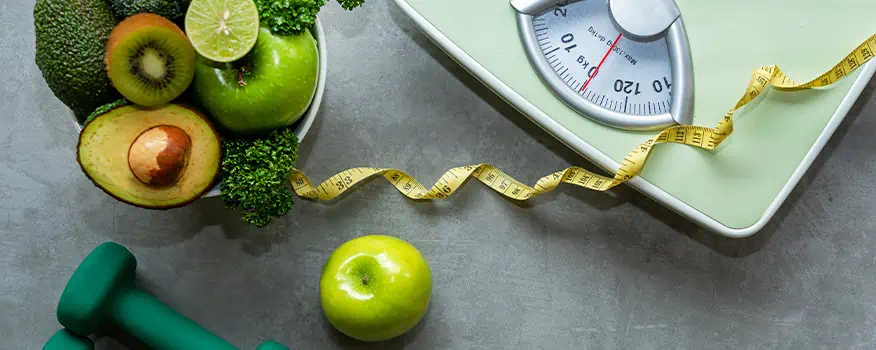
When it comes to weight loss, most people focus on simple formulas—calories in versus calories out. But once you’ve mastered those fundamentals, progress tends to stall. That’s when advanced, science-driven strategies become critical. This article explores deeper metabolic, hormonal, and psychological factors that can help you achieve sustainable fat loss without falling into common plateaus or rebound traps.
Understanding Adaptive Thermogenesis and Metabolic Resistance
One of the biggest challenges for long-term weight loss is adaptive thermogenesis—your body’s natural tendency to conserve energy after losing fat. When you eat less and weigh less, your body becomes more efficient, burning fewer calories than before. This makes continued fat loss increasingly difficult.
To combat this, advanced strategies are required:
-
Prioritize protein: High protein intake preserves lean mass, keeps you satiated, and supports a higher resting metabolic rate.
-
Incorporate resistance training: Strength training helps retain muscle, which is metabolically active tissue that burns calories even at rest.
-
Use cyclical dieting: Instead of maintaining a constant calorie deficit, introduce “refeed” or maintenance phases every few weeks. This can help normalize leptin and thyroid hormone levels, preventing metabolic slowdown.
-
Track more than just the scale: Use body composition tools or waist measurements to ensure fat loss, not muscle loss, is driving progress.
These approaches help your metabolism remain adaptable rather than suppressed, allowing consistent fat reduction over time.
Nutrient Timing and Macronutrient Partitioning
Once you understand the importance of macronutrients, the next step is learning when to eat them for optimal results. Nutrient timing and partitioning can significantly influence fat storage, muscle recovery, and energy regulation.
-
Distribute protein evenly: Instead of loading it all at dinner, spread protein intake across 3–5 meals to maximize muscle protein synthesis.
-
Align carbohydrates with activity: Reserve higher-carb meals for pre- and post-workout windows. This helps fuel performance and replenish glycogen without unnecessary fat gain.
-
Don’t fear dietary fats: Focus on quality fats like avocados, nuts, and olive oil. These support hormone balance, especially testosterone and estrogen, which play a crucial role in metabolic regulation.
-
Experiment with carb cycling: Vary your carbohydrate intake on training versus rest days. This approach supports recovery on workout days and promotes fat oxidation on lighter activity days.
By synchronizing nutrient intake with your activity and metabolic demands, you make every calorie work harder toward your goals.
Hormonal Optimization: The Overlooked Key to Fat Loss
Advanced fat loss isn’t just about calories—it’s about hormonal balance. Hormones like insulin, leptin, ghrelin, and cortisol influence how efficiently your body burns fat and regulates hunger.
Key hormone-related insights:
-
Insulin sensitivity: Chronically elevated insulin impairs fat burning. Strategies like strength training, intermittent fasting, and reducing refined carbs improve insulin sensitivity.
-
Leptin and hunger regulation: Leptin signals satiety to the brain. Prolonged calorie restriction can reduce leptin levels, making you hungrier. Incorporating periodic “refeed” meals can temporarily boost leptin and reset appetite regulation.
-
Cortisol management: High stress levels elevate cortisol, leading to fat storage, especially around the abdomen. Prioritize stress management through meditation, adequate sleep, and balanced training intensity.
-
Thyroid function: Severe calorie restriction can suppress thyroid hormones, slowing metabolism. Ensure adequate iodine, selenium, and zinc intake to support healthy thyroid activity.
Balancing these hormones creates an internal environment conducive to long-term fat loss without fatigue, cravings, or burnout.
The Role of Sleep and Circadian Rhythm in Fat Loss
Sleep quality and timing are often overlooked, yet they play a major role in body composition. Poor sleep disrupts hormones that regulate appetite, recovery, and metabolism.
-
Prioritize 7–9 hours of quality sleep each night to keep cortisol low and growth hormone levels optimal.
-
Maintain consistent sleep-wake cycles to align your circadian rhythm. Irregular sleep patterns can disrupt glucose metabolism and increase fat storage.
-
Avoid screens and bright light before bed, as they suppress melatonin production and delay sleep onset.
-
Use morning sunlight exposure to reset your biological clock and improve sleep quality at night.
These habits enhance recovery, hormonal health, and calorie efficiency—three crucial elements for advanced fat loss.
Strategic Use of Exercise Modalities
Advanced fat loss requires precision, not just effort. Combining various exercise styles can trigger greater metabolic adaptation.
-
Strength training: Focus on progressive overload to build lean tissue. More muscle equals higher resting energy expenditure.
-
High-Intensity Interval Training (HIIT): Short bursts of intense effort followed by rest burn more calories in less time and elevate post-exercise oxygen consumption.
-
Zone 2 cardio: Moderate-intensity, longer-duration cardio improves fat oxidation and cardiovascular endurance without stressing the nervous system.
-
Active recovery: Low-intensity movements like walking or yoga promote blood flow and recovery, preventing overtraining and cortisol spikes.
Balancing these training modalities maximizes energy output, minimizes fatigue, and keeps fat loss sustainable.
Psychological Mastery: Breaking Through the Mental Plateau
Even the most scientifically advanced plan can fail if the mind isn’t aligned with the process. Long-term fat loss success relies heavily on mental resilience and behavioral consistency.
-
Redefine progress: Instead of only tracking weight, measure consistency in habits—meal adherence, sleep, training effort, and mindset.
-
Manage decision fatigue: Plan meals and workouts ahead of time to reduce the daily burden of choice, which often leads to impulsive eating.
-
Embrace flexible dieting: Allow room for favorite foods in moderation. Extreme restriction leads to rebound eating and loss of motivation.
-
Use visualization and goal anchoring: Mental imagery and strong “why” statements reinforce commitment during difficult periods.
Building psychological resilience ensures you stay consistent even when results slow down.
Integrating All Systems: The Long-Term Blueprint
Advanced weight loss isn’t about short bursts of effort—it’s about integration. Combine metabolic adaptation strategies, hormonal balance, structured training, nutrient timing, and psychological mastery into one cohesive system.
Start by setting 8–12 week cycles that include:
-
6–8 weeks of structured calorie deficit with resistance training
-
1–2 weeks of maintenance or refeed phases
-
Consistent sleep and stress regulation
-
Data tracking and periodic reassessment
This cyclical, data-driven approach ensures continuous progress without metabolic or psychological burnout.
FAQs
1. How can I prevent weight regain after achieving my goal weight?
Gradually increase your calorie intake during a reverse diet phase. Maintain strength training to preserve lean mass and keep metabolism high.
2. Is intermittent fasting necessary for advanced fat loss?
Not mandatory, but it can enhance insulin sensitivity and simplify calorie control for some individuals. The key is adherence and total calorie balance.
3. How long should a refeed phase last?
Typically 1–3 days every 4–6 weeks, depending on your deficit size and stress levels.
4. Does training in a fasted state improve fat burning?
It may enhance fat oxidation during the workout, but overall fat loss depends on total daily energy balance.
5. What’s the ideal protein intake for advanced fat loss?
Aim for 1.6–2.2 grams of protein per kilogram of body weight daily to maintain lean mass during a deficit.
6. How can I manage hunger during calorie restriction?
Focus on high-volume, fiber-rich foods, adequate hydration, and balanced meals with protein and healthy fats.
7. Can stress alone cause weight gain even with proper diet?
Yes. Chronic stress elevates cortisol, which can increase appetite and abdominal fat storage. Stress management is vital for true fat-loss success.