

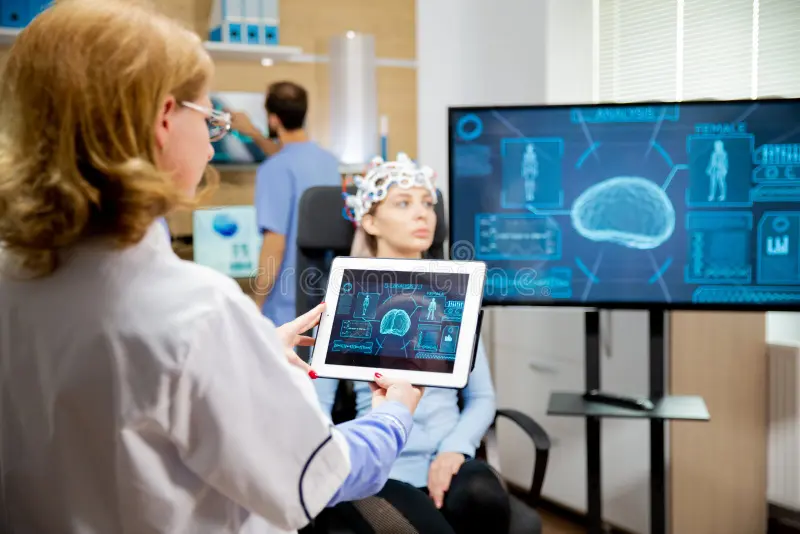
The medical profession is witnessing a seismic shift—driven by technology, globalization, and changing patient expectations. Today’s doctor is not merely a healer confined to clinical walls but a strategic decision-maker, data analyst, and empathetic communicator navigating an era defined by artificial intelligence, personalized medicine, and bioethics. This article explores the advanced transformations shaping the modern doctor’s role—beyond traditional clinical boundaries.
The Paradigm Shift in Modern Medicine
From Disease-Centered to Patient-Centered Care
For centuries, the doctor’s role revolved around disease management—identifying symptoms, diagnosing, and treating conditions. However, the 21st century demands a holistic, patient-centered approach that integrates biological, psychological, and social dimensions.
Modern doctors must now:
-
Recognize the emotional and social determinants influencing a patient’s health.
-
Foster shared decision-making where patients participate in their treatment choices.
-
Utilize personalized medicine based on genetic profiles and predictive data.
The shift from disease-centric models to individualized care represents not just a procedural change but a philosophical transformation in how doctors define health, responsibility, and healing.
The Rise of the Technologically Augmented Doctor
Technology no longer supports medicine—it defines it. Artificial Intelligence (AI), robotics, and big data analytics are now embedded in daily clinical practice. Doctors are transitioning from diagnosticians to interpreters of machine intelligence.
AI-driven platforms assist in early cancer detection, real-time cardiac monitoring, and genomic analysis. Yet, the doctor’s role remains indispensable—to interpret, contextualize, and humanize the data. The future doctor must:
-
Understand AI’s limitations and biases.
-
Blend computational output with clinical intuition.
-
Ensure technology enhances—not replaces—human connection.
Digital empathy—the ability to maintain compassion in an AI-driven ecosystem—has become the new frontier of professional excellence.
The Ethical Landscape of Modern Medicine
Balancing Innovation with Integrity
As medicine becomes increasingly data-driven, ethical boundaries blur. Who owns a patient’s genetic data? How do we protect privacy when algorithms predict disease risks? Doctors today must be both clinicians and custodians of digital ethics.
Key challenges include:
-
Data Security: Safeguarding patient data across digital platforms.
-
Algorithmic Bias: Preventing discriminatory outcomes in AI-based systems.
-
Informed Consent: Ensuring patients understand how their data is used and stored.
Doctors must also engage in continuous ethical reflection, ensuring innovation serves humanity rather than exploiting it.
The Emotional Burden and Moral Fatigue
Behind every technological breakthrough lies a silent epidemic—moral injury among doctors. The constant pressure to balance administrative tasks, patient care, and ethical dilemmas often leads to decision fatigue.
The modern physician faces questions that are no longer purely medical:
-
Should life-sustaining treatment continue when AI predicts low survival?
-
How do you reconcile data-driven decisions with patient wishes?
Thus, ethical resilience—the ability to navigate moral complexity without burnout—is emerging as a crucial skill.
Doctors as Health Leaders in the Age of Globalization
From Individual Practice to Systemic Leadership
Modern healthcare systems demand that doctors evolve into policy influencers and organizational leaders. They are expected to:
-
Guide healthcare reform initiatives.
-
Bridge the gap between clinical care and administrative policy.
-
Champion equity in access to medical services.
This leadership extends beyond hospitals. During global crises—such as pandemics—doctors become public educators, combatting misinformation and rebuilding societal trust in science.
The Doctor as an Interdisciplinary Collaborator
Healthcare today is no longer a solo profession. Doctors work within multidisciplinary ecosystems—teaming up with data scientists, geneticists, psychologists, and AI developers.
Collaboration is not just a professional necessity but a strategic advantage. It enables innovation and ensures that patient outcomes improve through collective intelligence rather than individual expertise.
The Art of Empathy in Digital Healthcare
Redefining the Doctor-Patient Relationship
While telemedicine and AI consultations improve efficiency, they risk eroding human connection. The challenge lies in ensuring compassion survives digitization.
Doctors must consciously cultivate:
-
Active listening through virtual consultations.
-
Non-verbal empathy—expressing care even through digital interfaces.
-
Continuity of care across online and offline touchpoints.
In an era of automation, the doctor’s most enduring asset remains human empathy—the bridge between technology and trust.
The Rise of Narrative Medicine
A growing movement within modern healthcare, narrative medicine emphasizes understanding a patient’s story beyond clinical data. By engaging with a patient’s life narrative, doctors gain insights that often reveal underlying psychosocial factors affecting health outcomes.
Integrating storytelling with science ensures that doctors treat the person, not just the pathology.
Continuous Learning: The Doctor as a Lifelong Scholar
The Velocity of Medical Knowledge
Medical knowledge now doubles approximately every 73 days. This means a doctor’s expertise is perpetually on trial. To remain effective, physicians must embrace continuous professional development (CPD) through digital learning, AI-assisted simulations, and global research collaborations.
Lifelong learning is not optional—it’s the ethical obligation of the modern doctor.
Cognitive Flexibility and Adaptation
In an unpredictable medical landscape, adaptability outweighs experience. The best doctors are those who can unlearn outdated protocols and adopt new, evidence-based approaches quickly. Cognitive flexibility allows them to:
-
Respond effectively to emerging diseases.
-
Integrate new medical devices or treatments seamlessly.
-
Stay resilient amid constant systemic change.
The Doctor’s Role in Shaping the Future of Medicine
The Transition to Preventive and Predictive Models
Medicine is shifting from reactive treatment to predictive prevention. Doctors now use genomic sequencing, wearable tech, and predictive algorithms to identify disease risks before symptoms emerge.
This approach transforms healthcare from “sick care” to proactive wellness, positioning doctors as health mentors rather than crisis responders.
Human Intelligence vs. Artificial Intelligence
AI may outperform doctors in pattern recognition, but human intelligence remains irreplaceable in understanding context, emotion, and ethics. The future will not be about man versus machine—it will be about man with machine. Doctors who master this collaboration will define the next century of medicine.
FAQs:
1. How are doctors adapting to artificial intelligence in diagnosis and treatment?
Doctors are using AI to augment decision-making, automate administrative tasks, and improve diagnostic precision, but they maintain interpretive authority over final judgments.
2. What is digital empathy, and why is it important for modern doctors?
Digital empathy ensures that compassion and trust are preserved even in telemedicine or AI-assisted consultations, reinforcing the human aspect of care.
3. How do doctors maintain ethical boundaries in a data-driven healthcare system?
By prioritizing informed consent, data security, and algorithmic fairness while continuously engaging in ethical education and reflection.
4. What role do doctors play in public health leadership today?
Doctors serve as both clinicians and advocates, influencing policy, educating the public, and leading crisis response during health emergencies.
5. How do physicians handle moral fatigue in modern healthcare systems?
Through mindfulness, peer support, and institutional changes that reduce burnout by promoting balanced workloads and ethical dialogue.
6. How does narrative medicine enhance patient care?
It allows doctors to connect deeply with patients by understanding their personal stories, ensuring that treatments align with emotional and social realities.
7. What will define a successful doctor in the next decade?
The ability to integrate AI precision with human empathy, maintain ethical clarity, and lead multidisciplinary teams toward equitable, patient-centered innovation.